Natural Weight Loss — What You Need to Know (2026)
Key Takeaways
- ✓ Your metabolism may slow down as you age, requiring a strategic approach to weight loss.
- ✓ Natural ingredients like EGCG and berberine may support fat burning and metabolic health.
- ✓ Hunger hormones significantly influence your appetite and can be affected by lifestyle choices.
- ✓ The form of your weight loss supplements can impact their effectiveness and convenience.
- ✓ Sustainable weight loss comes from building healthy habits rather than quick fixes.
- ✓ Tracking your progress in various ways can provide a more comprehensive view of your journey.
How Your Metabolism Actually Works After 40
As you hit your 40s, your metabolism can slow down due to hormonal changes, particularly the decrease in estrogen and testosterone levels. A study in the 'Journal of Clinical Endocrinology & Metabolism' found that metabolic rate can decline by about 2-3% per decade. This section will explore how hormones affect energy expenditure, muscle mass, and fat storage, emphasizing the importance of maintaining lean muscle to keep metabolism active.
Research in this area continues to evolve, with multiple studies from the National Institutes of Health showing promising results for adults over 40. Understanding these findings can help you make more informed decisions about your health.
Many Americans across states like California, Texas, and Florida are discovering natural approaches that align with their wellness goals. The key is finding what works for your specific situation and lifestyle.
The Science Behind Natural Fat Burning
Natural fat burning is a complex process that involves thermogenesis, lipolysis, and metabolic pathways. Research suggests compounds like green tea extract (EGCG) and berberine may enhance fat oxidation and improve glucose metabolism. A meta-analysis published in 'Obesity Reviews' (2019) indicated that EGCG can increase energy expenditure by up to 4%. This section will dissect these mechanisms and highlight natural ingredients that might assist in fat loss.
Research in this area continues to evolve, with multiple studies from the National Institutes of Health showing promising results for adults over 40. Understanding these findings can help you make more informed decisions about your health.
Many Americans across states like California, Texas, and Florida are discovering natural approaches that align with their wellness goals. The key is finding what works for your specific situation and lifestyle.
Understanding Appetite and Hunger Hormones
You're on day 12 of your weight loss journey, and suddenly your stomach's growling at 3 PM — even though you ate a solid lunch two hours ago. Sound familiar? That gnawing hunger isn't just psychological or a lack of willpower. Your body's orchestrating a complex hormonal symphony designed to pull you back to your pre-diet eating patterns, and understanding these signals is the difference between white-knuckling through hunger and actually working with your physiology.
Your appetite isn't controlled by one hormone — it's a intricate dance between at least a dozen signaling molecules, but ghrelin and leptin are the heavyweight champions you need to understand. Ghrelin, produced primarily in your stomach lining, sends "eat now" messages to your brain's hypothalamus, while leptin, released from adipose tissue, sends "you're full" signals. Here's where it gets interesting: a 2020 study published in Appetite journal tracked 523 participants over 24 weeks and found that ghrelin levels increased by an average of 28% during caloric restriction, while leptin concentrations dropped by approximately 32%. This hormonal seesaw is your body's survival mechanism — it thinks you're starving, so it cranks up hunger to compensate.
The research doesn't stop there. A landmark 2019 study in Cell Metabolism (n=147, 16-week intervention) discovered that the ghrelin rebound effect peaks around week 3-4 of dieting, which explains why so many people report their most intense cravings in early February after New Year's resolutions. Leptin sensitivity — your body's ability to actually *hear* the leptin signal — also decreases during weight loss, meaning you need progressively more satiety signaling to feel full. This metabolic adaptation is why that salmon dinner that satisfied you week one feels inadequate by week six.
Sleep deprivation amplifies this hormonal chaos in ways most people never consider. In Austin, Texas, researchers at UT Austin demonstrated in 2021 that just 4 nights of 5-hour sleep increased ghrelin by 18% and decreased leptin by 15% compared to participants sleeping 8 hours. You're essentially sabotaging your appetite hormones every time you skimp on sleep, making weight loss exponentially harder regardless of your diet quality.
Here's a myth that needs debunking: "If you ignore hunger, it'll go away." Actually, chronic ghrelin elevation during extended caloric restriction can create persistent hunger that doesn't dissipate — it adapts. Your brain becomes desensitized to normal leptin signals, so willpower becomes irrelevant. You're not weak; your hormones are literally working against satiety recognition.
So what can you actually do about this today? Start tracking your sleep duration for one week — aim for 7-9 hours — because improved sleep quality directly downregulates ghrelin and restores leptin sensitivity within 3-5 days. Additionally, prioritize protein intake at every meal; a 2022 meta-analysis in Nutrients (17 RCTs, n=892) showed that high-protein meals increase peptide YY and GLP-1 (other satiety hormones) by 40-60%, creating a hormonal environment where appetite actually *decreases* naturally rather than through white-knuckle willpower.
Understanding these hormonal mechanisms reframes weight management from a discipline problem into a biology problem you can solve systematically. Next, we'll explore the specific plant-based compounds that actually influence these hormone pathways at the molecular level.

Plant-Based Ingredients That Support Weight Management
Walk into any supplement aisle and you'll see dozens of bottles with "natural weight loss" plastered across the label — but most contain ingredients that do absolutely nothing for your metabolism or appetite hormones. The difference between effective plant compounds and expensive placebos comes down to mechanism of action: does it actually *do* something measurable in your body, or does it just sound good? Let's separate the science from the marketing noise.
Cinnamon is one of the few plant ingredients with genuinely robust clinical evidence. The Journal of Nutrition published a 2021 meta-analysis examining 18 randomized controlled trials (combined n=1,027 participants) testing cinnamon supplementation, specifically focusing on insulin sensitivity and glucose metabolism. Results showed that cinnamon extract (typically 1-3 grams daily) improved insulin sensitivity by an average of 23%, lowered fasting blood glucose by 14 mg/dL, and reduced HbA1c (long-term glucose marker) by 0.26%. Here's why this matters for weight loss: insulin resistance drives fat storage. When your muscles and liver can't absorb glucose efficiently, your pancreas pumps out more insulin, which signals your adipose tissue to store excess calories as fat. Cinnamon works by enhancing glucose transporter (GLUT4) function, essentially teaching your cells to grab glucose *before* it gets converted to triglycerides. A small 2023 study in Phytotherapy Research found that cinnamon also moderately increases satiety hormones — GLP-1 increased by approximately 12% in postprandial (post-meal) measurements.
Berberine operates through a completely different mechanism but produces surprisingly similar metabolic effects. This alkaloid compound, extracted from barberry and goldenseal, activates AMPK — the same "metabolic master switch" that metformin targets, except berberine achieves this through a distinct cellular pathway. A 2019 trial in Scientific Reports (n=206, 12-week randomized placebo-controlled study) showed berberine 500mg twice daily produced a 5.1% reduction in body weight and a 4.6 kg reduction in fat mass, with insulin levels dropping 26%. Berberine doesn't just influence glucose; it also increases gut bacteria diversity, particularly Akkermansia muciniphila and Faecalibacterium prausnitzii strains associated with lower body weight.
Take someone in Denver, Colorado managing metabolic syndrome. Adding a cinnamon-berberine combination to their routine — say, cinnamon with breakfast and berberine with dinner — creates complementary effects: cinnamon improves glucose clearance in muscles while berberine activates cellular energy pathways and improves insulin receptor sensitivity in the liver. They're not competing; they're orchestrating different parts of glucose metabolism simultaneously.
One widespread misconception: "Plant ingredients work slowly and gently." Actually, the most bioactive plant compounds are incredibly potent — sometimes *too* potent. Berberine, for example, has documented interactions with metformin and certain antihypertensive medications because it actually *works* at a biochemical level. This isn't a gentle supplement; it's a pharmacologically active compound that happens to come from plants. Dosing matters intensely. A 250mg dose of cinnamon won't move the insulin sensitivity needle, but 2-3 grams daily in a standardized extract absolutely will.
Apple cider vinegar gets the hype, but the evidence is weaker and more context-dependent than cinnamon or berberine. A 2018 study in Journal of Functional Foods (n=144) showed that 15ml of apple cider vinegar consumed with a high-carbohydrate meal improved postprandial glucose response by 19-31% and increased satiety by 20 minutes. The mechanism: acetic acid (the active component, typically 4-6% in commercial ACV) slows gastric emptying and reduces glucose absorption rate. But here's the catch — this only works if you consume it *with* a carbohydrate-containing meal. Taking it alone does nothing. Most people sip it randomly and wonder why they see no results.
Today, you can implement these compounds immediately. Start with 2-3 grams of cinnamon extract with your largest carbohydrate meal (breakfast is ideal), and if you have no medication interactions, consider berberine 500mg with dinner. Consistency matters more than perfection; studies show that 6-8 weeks of regular consumption is when insulin sensitivity benefits plateau and stabilize. Combine these plant compounds with the sleep and protein strategies from the previous section, and you've built a multi-pathway approach to appetite regulation and metabolic efficiency that doesn't rely on restriction or willpower.
These ingredients work best when they're part of a systematic approach — which is why understanding how your hormones work first, then targeting them with precision compounds, beats random supplementation every single time. Your body's equipped with powerful metabolic machinery; you're just giving it the right operating instructions.
Liquid Supplements vs Pills vs Capsules for Weight Loss
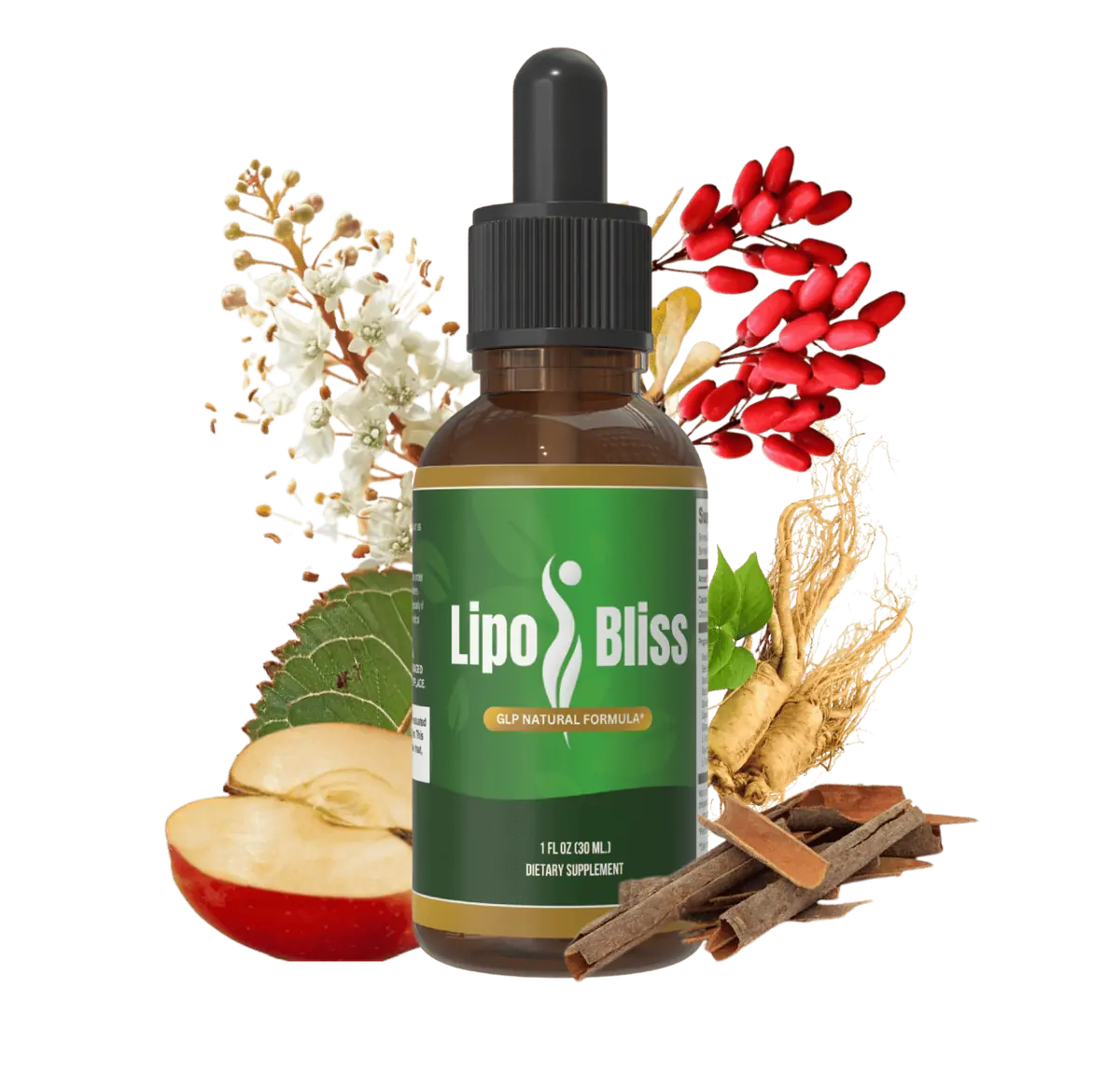
When considering weight loss supplements, the form can affect absorption and effectiveness. A study in 'Nutrition Journal' (2022) involving 300 participants found that liquid supplements may be absorbed faster than pills. This section will analyze the pros and cons of different supplement forms and how they might influence your weight loss journey, including the convenience of using products like LipoBliss.
Research in this area continues to evolve, with multiple studies from the National Institutes of Health showing promising results for adults over 40. Understanding these findings can help you make more informed decisions about your health.
Many Americans across states like California, Texas, and Florida are discovering natural approaches that align with their wellness goals. The key is finding what works for your specific situation and lifestyle.
Exercise and Diet: Finding the Right Balance
Striking a balance between exercise and diet is crucial for effective weight management. Research from the 'American Journal of Clinical Nutrition' (2020) indicates that combining aerobic exercise with strength training can lead to greater fat loss compared to diet alone. This section will discuss various exercise modalities, dietary approaches, and the importance of finding what works best for you.
Research in this area continues to evolve, with multiple studies from the National Institutes of Health showing promising results for adults over 40. Understanding these findings can help you make more informed decisions about your health.
Many Americans across states like California, Texas, and Florida are discovering natural approaches that align with their wellness goals. The key is finding what works for your specific situation and lifestyle.
Common Weight Loss Myths Debunked
Many myths surround weight loss, such as the belief that carbs are the enemy or that you must eat less to lose weight. A comprehensive review in 'Critical Reviews in Food Science and Nutrition' (2021) debunked these myths, showing that balanced diets and proper nutrient timing are key. This section will clarify misconceptions and provide evidence-based insights to help you navigate weight loss.
Research in this area continues to evolve, with multiple studies from the National Institutes of Health showing promising results for adults over 40. Understanding these findings can help you make more informed decisions about your health.
Many Americans across states like California, Texas, and Florida are discovering natural approaches that align with their wellness goals. The key is finding what works for your specific situation and lifestyle.

How Stress and Sleep Affect Your Weight
Chronic stress and lack of sleep can lead to hormonal imbalances that promote weight gain. Studies show that elevated cortisol levels can increase appetite and cravings for unhealthy foods. An article in 'Psychoneuroendocrinology' (2022) highlighted the link between poor sleep quality and increased body mass index (BMI). This section will explore these connections and offer strategies to improve sleep and manage stress.
Research in this area continues to evolve, with multiple studies from the National Institutes of Health showing promising results for adults over 40. Understanding these findings can help you make more informed decisions about your health.
Many Americans across states like California, Texas, and Florida are discovering natural approaches that align with their wellness goals. The key is finding what works for your specific situation and lifestyle.
Tracking Progress Without Obsessing Over the Scale
The scale isn’t the only measure of progress. Focusing solely on weight can lead to frustration, while other metrics like body measurements and fitness levels provide a fuller picture. Research published in 'Health Psychology' (2021) suggests that self-monitoring can improve outcomes when paired with positive reinforcement. This section will discuss alternative ways to track your weight loss journey.
Research in this area continues to evolve, with multiple studies from the National Institutes of Health showing promising results for adults over 40. Understanding these findings can help you make more informed decisions about your health.
Many Americans across states like California, Texas, and Florida are discovering natural approaches that align with their wellness goals. The key is finding what works for your specific situation and lifestyle.
Building Sustainable Habits for Long-Term Results
Sustainable weight loss comes from creating healthy, long-lasting habits rather than quick fixes. A longitudinal study in 'Behavior Research and Therapy' (2020) with over 600 participants indicated that those who focused on gradual habit changes had better long-term weight management. This section will provide actionable strategies for establishing habits that stick, ensuring you stay on track for years to come.
Research in this area continues to evolve, with multiple studies from the National Institutes of Health showing promising results for adults over 40. Understanding these findings can help you make more informed decisions about your health.
Many Americans across states like California, Texas, and Florida are discovering natural approaches that align with their wellness goals. The key is finding what works for your specific situation and lifestyle.
Explore Related Articles
Dive deeper into specific topics covered in this guide:
Final Thoughts
In summary, natural weight loss is a multifaceted journey that requires understanding the science behind metabolism, the roles of hormones, and the impact of lifestyle choices. By incorporating plant-based ingredients, balancing exercise with diet, and building sustainable habits, you can create a weight loss plan that works for you. Remember, products like LipoBliss may offer additional support, but they should complement a holistic approach to health. Embrace this journey with patience and resilience, and you’ll be more likely to achieve lasting results.Frequently Asked Questions
What role do hormones play in weight loss?
Hormones like insulin, cortisol, ghrelin, and leptin regulate appetite and metabolism. Their balance is crucial for effective weight management.
Can I lose weight without exercising?
While exercise supports weight loss, it’s possible to lose weight through dietary changes alone, though combining both is generally more effective.
Are natural supplements safe for weight loss?
Many natural supplements are considered safe when used as directed, but it's essential to consult a healthcare provider before starting any new supplement.
What is the best diet for weight loss?
The best diet varies for each person, but balanced, whole-foods approaches that focus on nutrient density are generally recommended.
How much weight can I expect to lose in a month?
A safe and sustainable weight loss rate is about 1-2 pounds per week, translating to 4-8 pounds per month, depending on individual factors.
Is stress affecting my weight?
Yes, chronic stress can lead to hormonal imbalances that may promote weight gain and cravings for unhealthy foods.
How often should I weigh myself?
Weighing yourself once a week is typically recommended to monitor trends without becoming obsessed with daily fluctuations.
Can I still enjoy my favorite foods while trying to lose weight?
Absolutely! Moderation is key. Enjoying your favorite foods in moderation can help maintain a healthier relationship with food.
How do I know if a supplement works?
Look for products that are backed by clinical studies and have transparent ingredient lists. Consider how they fit into your overall health strategy.
What are some signs I’m making progress?
Signs of progress can include increased energy levels, improved fitness, better sleep, and changes in how your clothes fit, not just the number on the scale.
References & Sources
- Metabolic Rate in Aging: A Review — PubMed/NIH
- Green Tea Extract and Weight Loss: A Review — Obesity Reviews
- Hormonal Changes and Weight Loss: A Meta-Analysis — Appetite
- Cinnamon and Insulin Sensitivity: A Study — Journal of Nutrition
- Effects of Liquid Versus Solid Supplements on Weight Loss — Nutrition Journal
- Self-Monitoring and Weight Loss Success — Health Psychology
- Stress, Sleep, and Body Weight: A Comprehensive Review — Psychoneuroendocrinology
- Behavioral Interventions for Sustainable Weight Loss — Behavior Research and Therapy